Imagine this scenario: You are an expatriate living in China. You connect with someone on a dating app, arrange to meet at a local hotel, and enter expecting a casual social encounter. Instead, the door closes behind you, badges are shown, and you find yourself detained. The reason? Possessing a small 20ml bottle of a liquid known as Rush.
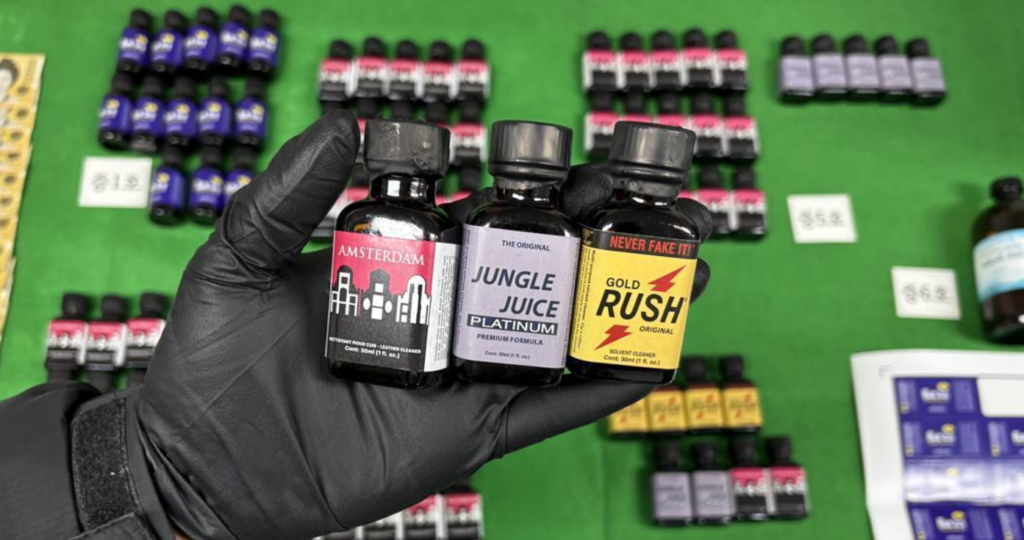
For many foreigners, Rush or Poppers are commonly associated with nightlife or certain subcultures. In many Western countries, while regulated, personal possession rarely leads to a criminal record. However, the legal environment in China is markedly different. Authorities have intensified enforcement efforts, and what might be considered a minor offense elsewhere can quickly result in administrative detention, deportation, or even criminal charges.
In this article, we will explore the legal rationale behind these enforcement actions, highlight significant legal shortcomings in how such cases are managed, and explain why, with an appropriate defense, these charges can be successfully challenged.
Understanding Rush: Medicine, Narcotic, or Hazard?
To fully appreciate the legal implications surrounding Rush, it’s essential to know what this substance actually is. Chemically, Rush consists of alkyl nitrites, primarily isobutyl nitrite or amyl nitrite. Historically, these compounds were used as emergency treatments for heart conditions. Today, they are recognized for their muscle-relaxing properties, especially on smooth muscle tissue, which has contributed to their popularity among certain groups seeking to enhance sexual experiences.
In China, however, Rush is not legally classified as a narcotic and does not appear on the official lists of controlled psychotropic or narcotic substances. This distinction often leads to confusion. Many foreigners mistakenly assume that because it is not considered a hard drug, the legal penalties must be minimal. This misunderstanding can result in serious consequences.
Law enforcement typically addresses Rush cases under two separate legal frameworks:
- Administrative Offenses: Under Article 30 of the Public Security Administration Punishments Law, possession, purchase, or use of dangerous substances is treated as an administrative violation. This usually results in administrative detention, typically lasting between 5 to 10 days. For foreign nationals, this often leads to the cancellation of their residence permits and subsequent deportation.
- Criminal Offenses: According to Article 225 of the Criminal Law, cases involving Illegal Business Operations arise when the quantity involved exceeds certain thresholds or when there is evidence of commercial intent. In such cases, the matter escalates from an administrative violation to a criminal offense, which may result in imprisonment.
A crucial aspect of these cases involves the classification of Dangerous Substances, often referred to as the 70% rule. The legal basis for penalizing possession of Rush stems from the fact that it contains substances listed in the Hazardous Chemicals Catalogue—specifically isobutyl nitrite and amyl nitrite. Law enforcement often assumes that simply possessing a liquid containing these ingredients equates to possessing a dangerous substance.
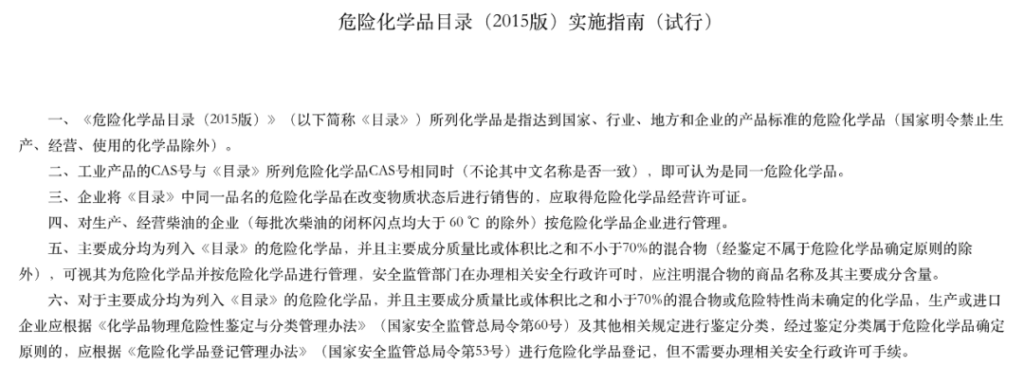
However, this interpretation is legally incorrect and represents an important loophole we utilize in defense. The law clearly states that a mixture is classified as a hazardous chemical only if its primary hazardous components make up at least 70% of its mass or volume, as specified in Article 5 of the Implementation Guidelines for the Hazardous Chemicals Catalogue.
Market research and our case experience show that most Rush products currently available on the black market are significantly diluted, with active nitrite concentrations often well below 70%, and sometimes even under 10%.
Therefore, if authorities seize a bottle of Rush and conduct only qualitative testing to confirm the presence of these substances—without performing quantitative analysis to determine their concentration—they cannot lawfully classify the product as a hazardous chemical. Without this classification, charges related to possessing dangerous substances cannot be upheld.
The Public Safety Requirement
A critical weakness in the prosecution’s argument lies in the definition of dangerous substances as outlined in the Public Security Administration Punishments Law. This law specifically addresses substances that are explosive, toxic, radioactive, corrosive, or contain infectious pathogens—categories that inherently pose a risk to public safety.
Possessing a small amount of Rush for personal use in a private setting does not equate to a public safety threat. While it may present health risks to the individual user, similar to excessive alcohol consumption or smoking, the law’s primary purpose is to protect the public from uncontrolled hazards rather than regulate personal health choices. Unless the prosecution can prove that the possession posed an actual and immediate danger to the public, the legal basis for punishment is not established.
The Offense of Illegal Business Operations
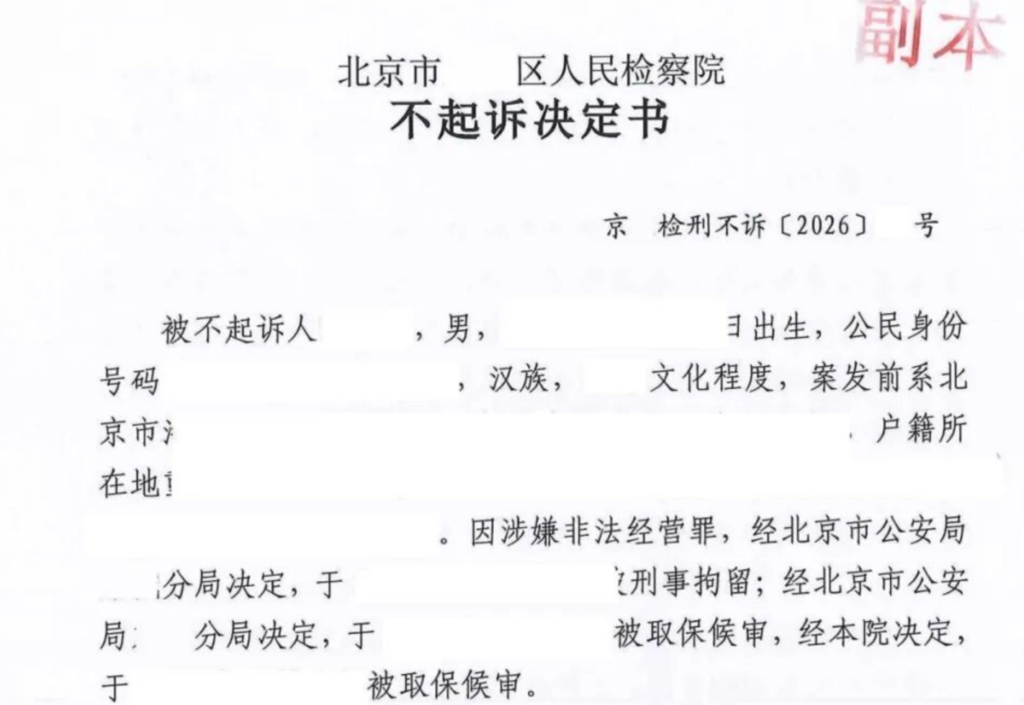
If an individual is found with a large quantity of Rush or there is evidence of selling or distributing it, the charge may be elevated to Illegal Business Operations under Article 225 of the Criminal Law, which is considered a felony.
There are several key defenses to consider:
- The 70% Concentration Rule:If the product’s concentration is below 70%, it is not classified as a hazardous chemical, and therefore, one cannot be convicted of illegally operating hazardous chemicals.
- Violation of State Regulations:The offense requires a breach of formal State Regulations enacted by the National People’s Congress or the State Council. Violations of departmental rules or guidelines alone do not suffice.
- Subjective Intent: Many foreigners may be unaware that Rush is regulated in China. Without knowledge of its illegality, criminal intent cannot be established.
- Threshold for Business Volume: If the scale of the operation is under 50,000 RMB, it may not meet the criteria for criminal prosecution.
These points are essential considerations in understanding the legal framework and potential defenses related to Rush possession and distribution.
Procedural Issues: A Key Vulnerability in Enforcement
In China, law enforcement—especially in less complex regions—often shortcuts procedures when prosecuting cases involving Rush. This procedural oversight can be your strongest line of defense.
Inaccurate Testing Procedures
In the notable Chen Tianming case (a pseudonym), which took three years to win on appeal, the testing process was seriously flawed. The police submitted a liquid sample for analysis, yet the lab report indicated testing of a solid. The report was issued on the same day the sample was collected, despite the lab being over 200 kilometers away. Additionally, the lab tested for the presence of the ingredient (isobutyl nitrite) but did not measure its concentration.
The court ultimately ruled that without a concentration test demonstrating the content exceeded 70%, the substance could not be legally classified as hazardous, and thus the charge of possessing a dangerous substance could not be upheld.
Use of Unqualified Laboratories
Only certain institutions in China are authorized to assess the physical hazards of chemicals. If the lab used by the police is not among the 11 nationally certified institutions, its report is invalid.
Entrapment Concerns
In many instances, police initiate contact through dating apps, propose meeting locations, and arrest individuals upon arrival. This constitutes entrapment. According to Article 19 of the Public Security Administration Punishments Law, offenses committed under coercion or enticement should be subject to reduced or no punishment.
Guidance for Foreign Nationals: Steps to Take if Detained
If you are detained for possession of Rush, your actions within the first 24 hours are crucial:
- Request Both Qualitative and Quantitative Testing: Do not admit to possessing a dangerous substance solely because the ingredient is present. Insist on proof that the concentration exceeds 70%. Without this, the case cannot be substantiated.
- Verify Laboratory Credentials: Ask which lab is conducting the analysis. If it is not a nationally certified institution for chemical hazard identification, challenge the validity of the results immediately.
- Review and Do Not Sign Documents Without Verification: You have the right to review your interrogation record. If it contains inaccuracies—for example, stating for sale when you said it was for personal use—do not sign. You have the right to request corrections.
- Obtain the Official Written Decision: Do not leave without receiving the formal Administrative Penalty Decision. This document is essential for filing an appeal.
- Exercise Your Right to Appeal: You may apply for administrative reconsideration (行政复议) or file an administrative lawsuit (行政诉讼). The Chen Tianming case demonstrates that success is possible.
Why Specialized Legal Support Is Essential
Navigating the Chinese legal system is challenging for locals and even more so for foreigners. Language barriers, cultural differences, and the intimidating nature of the process can lead to self-incrimination or missed defense opportunities.
Our firm has extensive experience handling these cases. We understand that police often neglect concentration testing, that lab reports may be rushed or flawed, and how to contest the legal definition of dangerous substance. The 70% concentration threshold is critical to mounting a successful defense. If you face administrative detention or criminal charges related to Rush in China, do not assume the outcome is predetermined. The law can work in your favor with the right legal expertise.