Copyright

Influence of Emotional AI APP on Conventional Tort Liability Assessment

This article, originally published in Chinese in Issue 10 of China Judgments in 2025, is authored by He Zhuolan, who holds the position of Assistant Judge at the Judicial Administration Office of the Guangzhou Internet Court. Emotional artificial intelligence (referred to as “emotional AI”) encompasses AI applications that facilitate emotional interactions with users and offer psychological […]

Influence of Emotional AI APP on Conventional Tort Liability Assessment Read More »

China First Copyright Dispute Featuring Savvy Robot of Live Streaming

  The rapid advancements in intelligent robotics and live streaming have led to the emergence of numerous legal challenges, such as defining the legal status of virtual digital personas, determining if using someone else’s virtual persona for live streaming is an infringement, and whether mimicking another’s live streaming room design amounts to unfair competition. The Hangzhou Court addressed these issues in the Erbai Robot case, clarifying

China First Copyright Dispute Featuring Savvy Robot of Live Streaming Read More »

Analysis of IP Licensing Within the Copyright Framework – Risks and Solutions

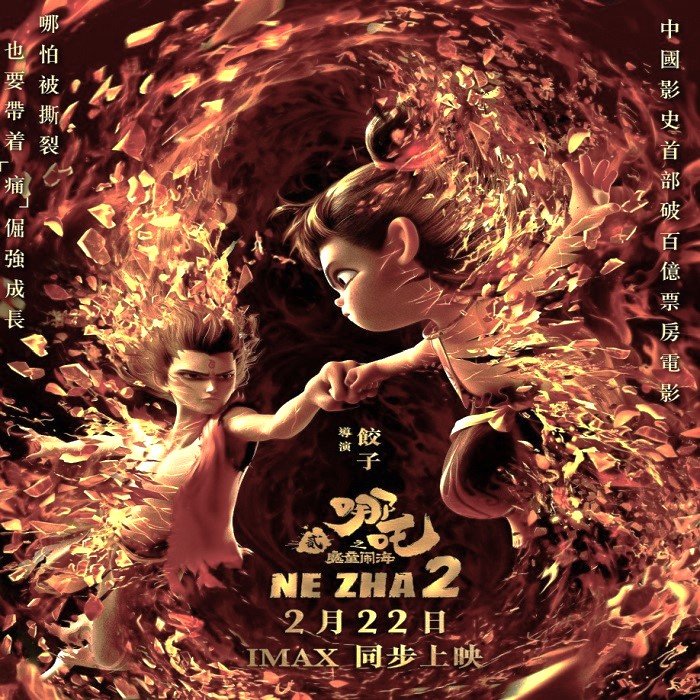
The Chinese animated film “Nezha 2” is expected to break box office records, surpassing $10 billion. This surge in related intellectual property (IP) merchandise highlights the strength of high-quality IP derivatives in China. Adaptations of various creative works—such as novels, films, TV shows, animations, and games—are crucial for the entertainment industry. Today, IP is an

Analysis of IP Licensing Within the Copyright Framework – Risks and Solutions Read More »

Insights into Landmark National Ruling Involving Artificial Intelligence Generated Content

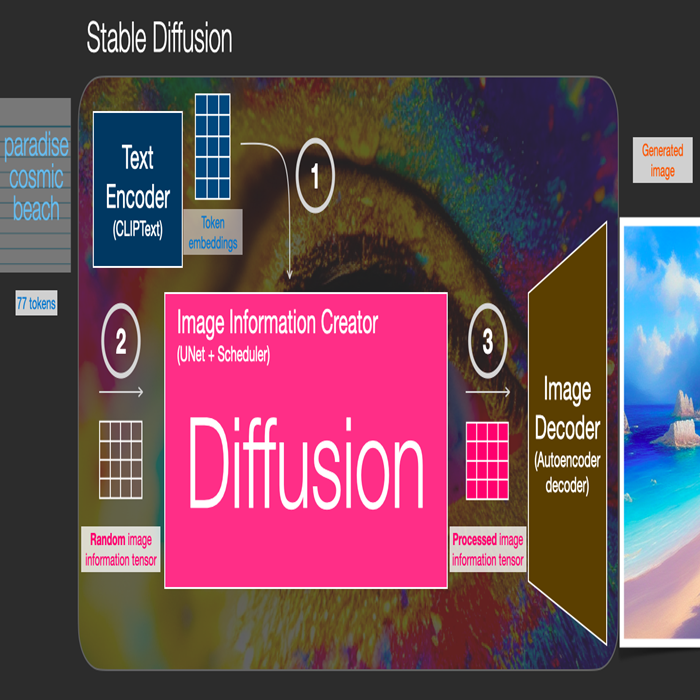
This case marks a significant milestone as the first national ruling aimed at safeguarding the copyright of AI-generated “text-to-image” works.   (2023)京0491民初11279号民事判决书 In its ruling, the Chinese court maintained an “anthropocentric” approach to defining copyright ownership, viewing the AI model as a supportive tool rather than the primary creator. It underscores the legislative intent of “encouraging

Insights into Landmark National Ruling Involving Artificial Intelligence Generated Content Read More »